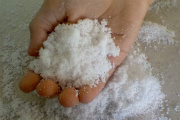



















Snow. It's not the most mysterious thing, is it? It's white, cold and if enough of it falls, you don't have to go to school. But do you even know what snowflakes are made out of? Probably not - so keep reading!
Snowflakes - Where Do They Come From?
Snowflakes come from clouds, which are really just big clusters of water vapor. This water vapor scatters and forms ice crystals or rain in the clouds, depending on the temperature. The temperature must be below zero degrees Celsius (32 degrees F) for the water to turn into ice crystals. The ice crystals also contain tiny bits of dirt that the wind has blown around the atmosphere (and it sometimes even contains dust from space). These ice crystals (also called snow crystals) cluster together to form individual snowflakes. One snowflake can be made up of anywhere between two and 200 separate snow crystals.
Snowflakes - No Two Look The Same
There are a few reasons that no two snowflakes look the same. One thing that influences the size and shape of a snowflake are temperature changes:
- 30 degrees Fahrenheit (-1 degrees Celsius) - Snowflakes usually look like columns.
- 27 to 23 degrees Fahrenheit (-2 to -5 degrees Celsius) - Snowflakes usually form a needle shape.
- 23 to 18 degrees Fahrenheit (-5 to -7 degrees Celsius) - Snowflakes usually look like columns appear again.
- 18 to 10 degrees Fahrenheit (-7 to -12 degrees Celsius) - Snowflakes are usually shaped like a plate.
- 10 to 3 degrees Fahrenheit (-12 to -16 degrees Celsius) - Snowflakes are usually shaped like a star.
 Snowflakes come in all different shapes and sizes!
Snowflakes - What Else Affects its Shape?
Dirt can change the appearance of a snowflake as can the snow's "flight plan". If a snow crystal
Snowfakes - Flakey Snow Facts
- An average raindrop falls 600 feet per minute while the average snowflake falls at about 11 feet per minute.
- Algae (simple plants with no roots, stems, leaves or flowers) can live in water, soil, sand and even snow.
- Dirty snow melts faster than clean snow. This is because the impurities (dirt particles) hold a higher temperature than the snow crystals.
Related Stories: