


















Since its discovery about 80 years ago, it's been believed that vitamin E can slow down the aging process and prevent illnesses, particularly cancer and heart disease. But is vitamin E really a miracle drug?
Vitamin E - Why Is It Good For You?
Vitamin E is an antioxidant that fights substances called free radicals, which are produced when your body uses oxygen (such as when you breathe or are exposed to harsh environmental factors like cigarette smoke). Free radical damage can lead to the development of diseases, but some scientists say vitamin E can help fight cancer by boosting the immune system, and help delay heart disease by preventing blood clots.

Vitamin E - What Foods Can It Be Found In?
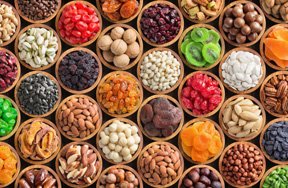
The prime sources of vitamin E are green leafy vegetables, wheat germ, whole grain breads and cereals, peanuts, walnuts, almonds and vegetable oils (safflower, corn, soybeans). Since many of these foods are high in fat, you may want to take a daily supplement to ensure you get enough vitamin E without the added calories. Vitamin E also comes in the form of a cream or lotion. Because of its antioxidant qualities, people think it's an anti-aging miracle, which is why you see so many skincare products containing vitamin E. Though this claim is a little exaggerated, vitamin E can help repair rough, dry skin.
Vitamin E - Did U Know?
- The recommended daily intake of vitamin E is 11 mg for kids aged nine to 13, and 15 mg for teens aged 14 and up.
- Vitamin E is more effective when taken with vitamin C.
- Vitamin E may keep your eyes healthy by preventing cataracts (a disease that causes vision impairment or even blindness).
 Foods high in Vitamin E
Related Stories: