


















When the sun comes out, it's time to head outdoors. But, as we all know, too much sun can be a bad thing. This is the reason our parents have been slathering us up with sunscreen since we were babies. Do you know some of the serious dangers from spending a long time under those rays? Check out some of the hazards and a few tips to avoid them.
Ultraviolet Rays and the Ozone Layer
The ozone layer soaks up most of the sun's harmful ultraviolet (UV) rays, but how much depends on the time of year and the weather. Thanks to chemicals that aren't environmentally friendly (such as chemicals called chlorofluorocarbons, AKA CFCs), the ozone has thinned in certain areas. In fact, over Antarctica there's a hole three times the size of Australia! Does this mean more UV rays are making it down to earth? Yes, but if we keep doing our part, the ozone will gradually rebuild itself.
 Get the scoop on sunburns!
Health Effects from Sunburn and Ultraviolet Rays
Young people often spend more time outside than adults, but peeps under the age of 18 are at the greatest risk for sunburn. What some people might not be aware of is that too much sun can cause, not only skin cancer, but several other serious afflictions. Here's a list:
- Melanoma Skin Cancer - This is the most serious form of skin cancer. It's also one of the fastest growing types of cancer in the US, with one in 87 people developing it each year. That's an increase of 1,800 per cent since the 1930s! Scientists believe there might be a link between childhood sunburns and developing melanoma later on in life. If it's caught in time, it is almost curable. However, it can spread very quickly.
- Nonmelanoma Skin Cancer - This kind of skin cancer is rarely fatal, but that doesn't mean it should be overlooked. If left untreated, nonmelanoma skin cancer can cause major health problems. The two types of nonmelanoma skin cancer are Basal Cell Carcinomas, which are fleshy non-spreading nodules or bumps, and Squamous Cell Carcinomas, which are rapid growth tumors that can spread to other parts of the body.
- Actinic Keratoses - Skin growths that happen on areas exposed to the sun. The face, hands, forearms and part of the neck are perfect candidates for this. If left untreated, they can be serious.
- Premature Aging of the Skin - Longtime exposure to the sun causes the skin to become thick, wrinkled and leathery. Because it happens over the years, there's not much anyone can do. With proper protection, like wearing sunscreen, this condition can be avoided.
- Cataracts and Other Eye Damage - What some people might not be aware of is the serious damage the sun can do to their eyes. If cataracts (a condition that causes cloudy vision) aren't treated, they can cause blindness. Other eye damage includes tissue growth on the white of the eye that can block vision, skin cancer around the eyes, and retinal damage.
- Immune Suppression - Sunburns can alter your immune system. Regardless of skin type, if you keep soaking up those UV rays, your immune system can be damaged. After you've been in the sun, your White blood cells (these are the guys that fight disease) can take up to 24 hours to start doing their job properly again.
How to Protect Yourself from Sunburn and Ultraviolet Rays
- Limit your time in the sun. The UV rays are strongest between 10AM and 4PM, but this doesn't mean you can get out of mowing the lawn.
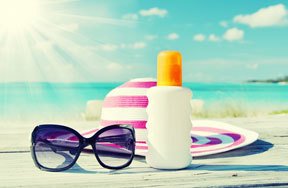
- Wearing sunglasses that provide 99 to 100 percent UVA and UVB protection helps prevent cataracts and other eye damage. When you're buying your shades, check the label.
- Wear a hat, especially one with a wide brim. This might not always be the fashion trend of the season, but it will prevent you from looking like beef jerky in 20 years.
- ALWAYS use sunscreen. It should have a sun protection factor (SPF) of at least 15, though you can find sunscreens with a much higher SPF. Reapply more every two hours. That includes the waterproof stuff cuz it comes off with sweat or when you towel dry yourself. Don't forget to wear lip balm that has a SPF of 15.
- Did you know you can still burn on a cloudy day?
Related Stories
- Sun Safety 101
- The Heat is On
- Surviving the Elements This Summer!
- More Great Tips to Keep You Healthy!